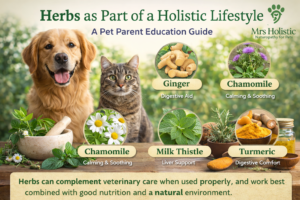
Herbs as Part of a Holistic Lifestyle: A Pet Parent Education Guide
Herbal medicine plays an important role in holistic pet care when used correctly and responsibly. From a scientific perspective, herbs contain naturally occurring bioactive compounds—such as flavonoids, alkaloids, polyphenols, and essential oils—that interact with the body’s physiological systems. These compounds support organ function, modulate inflammation, aid digestion, and promote balance within the body rather than simply suppressing symptoms.
For herbal support to be truly effective, it must be integrated into a holistic lifestyle that includes proper nutrition, environmental awareness, and mindful daily care. Herbs are not intended to replace veterinary treatment when medical intervention is necessary, but they can complement conventional care and support long-term wellness when used appropriately.
How Herbs Support the Body Scientifically
Herbs work primarily by supporting the body’s natural regulatory systems, including:
-
Digestive system: improving nutrient absorption and gut motility
-
Immune system: enhancing immune response and resilience
-
Liver and detoxification pathways: supporting toxin metabolism and elimination
-
Nervous system: calming stress responses and supporting emotional balance
Rather than acting as quick fixes, herbs function gradually and cumulatively, which is why consistency and proper lifestyle support are essential.
Examples of Commonly Used Herbs in Holistic Pet Care
Ginger (Zingiber officinale)
Ginger contains gingerols and shogaols, compounds known to support gastric motility and reduce nausea. In pets, ginger is commonly used to support digestion, stimulate appetite, and ease mild gastrointestinal discomfort. It may be given as a mild tea or in very small amounts mixed with food.
Chamomile (Matricaria chamomilla)
Chamomile contains apigenin and bisabolol, which have calming and anti-inflammatory properties. It supports both the digestive and nervous systems and is often used for pets experiencing anxiety, stomach upset, or mild inflammation. Chamomile is typically administered as a diluted tea.
Milk Thistle (Silybum marianum)
Milk thistle is rich in silymarin, a compound extensively studied for its hepatoprotective (liver-supporting) effects. It helps protect liver cells from oxidative damage and supports detoxification processes, especially in pets exposed to medications, environmental toxins, or poor-quality diets.
Peppermint (Mentha piperita)
Peppermint contains menthol, which can help relieve gas, bloating, and mild digestive discomfort. When used in very diluted amounts, peppermint tea may support digestive comfort, but due to its potency, it must be used cautiously and sparingly in pets.
Turmeric (Curcuma longa)
Turmeric contains curcumin, a compound known for its anti-inflammatory and antioxidant properties. It is commonly used to support joint health, immune function, and inflammatory balance. Absorption is enhanced when paired with healthy fats.
The Importance of Diet and Environment
From a holistic and scientific standpoint, herbal effectiveness is strongly influenced by diet and environmental exposure. A clean, nutrient-dense diet allows the body to properly absorb and utilize herbal compounds. Diets high in processed foods, artificial additives, or low-quality ingredients may place additional stress on the liver and digestive system, reducing the benefits of herbal support.
Environmental factors also play a critical role. Chronic exposure to pesticides, synthetic fragrances, harsh cleaning agents, and chemical treatments increases the body’s toxic load. Reducing these exposures supports detoxification pathways and allows herbs to work more efficiently.
Herbs as Complementary, Not Replacement, Care
It is essential for pet parents to understand that herbs are not a substitute for veterinary care. Acute illness, trauma, infections, or advanced disease require professional medical evaluation. However, when used alongside veterinary care, herbs can support recovery, reduce physiological stress, and promote balance during healing.
Holistic care recognizes the value of both conventional medicine and natural therapies, using each appropriately based on the pet’s condition and needs.
Herbal Support as Preventive Care
One of the greatest benefits of herbal medicine is its role in prevention. When used thoughtfully, herbs can help maintain healthy organ function, support immune resilience, and reduce the likelihood of recurring imbalances. This proactive approach supports long-term vitality and quality of life rather than focusing solely on symptom management.
Final Notes for Pet Parents
Herbal care should always be introduced gradually, used in appropriate doses, and tailored to your pet’s size, age, and health status. Observing your pet’s response is key, as every animal is unique.
At Mrs Holistic, our goal is to educate and empower pet parents with evidence-informed, natural approaches that respect the body’s intelligence and capacity for balance. When combined with proper nutrition, a low-toxin environment, and mindful care, herbs become a powerful ally in supporting your pet’s long-term wellness.